
As global fleets age, environmental regulations tighten, and the cost of downtime skyrockets, the shift toward NonDestructive Inspection and Testing (NDT) is no longer a luxury—it is a necessity. NDT represents a paradigm shift from guesswork to data-driven precision, offering advantages that traditional inspection methods simply cannot match.
For centuries, the health of a ship was assessed through a combination of sailor’s intuition, a skilled ear, and a heavy hammer. The “hammer test”—where an inspector strikes a steel plate and listens for a dull thud indicating corrosion or delamination—was the industry standard. While traditional methods have kept vessels afloat for generations, the modern maritime industry is undergoing a quiet revolution.
The End of Guesswork
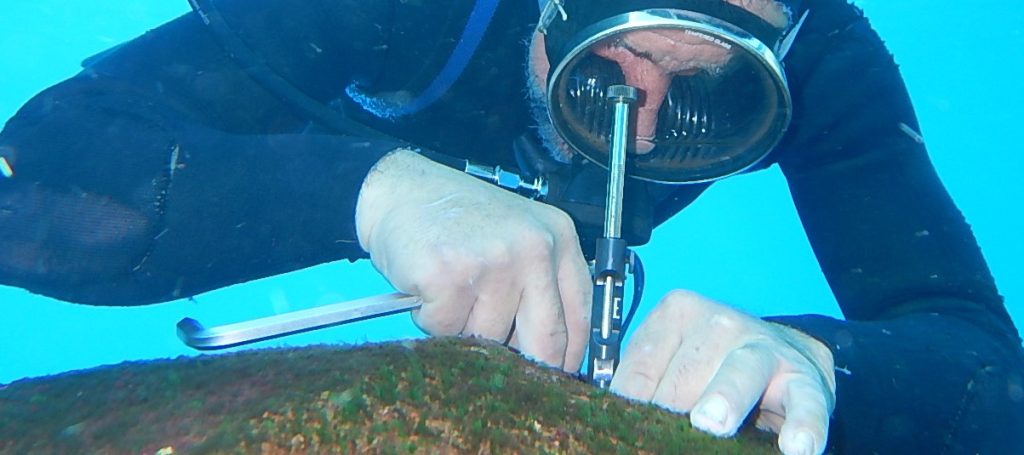
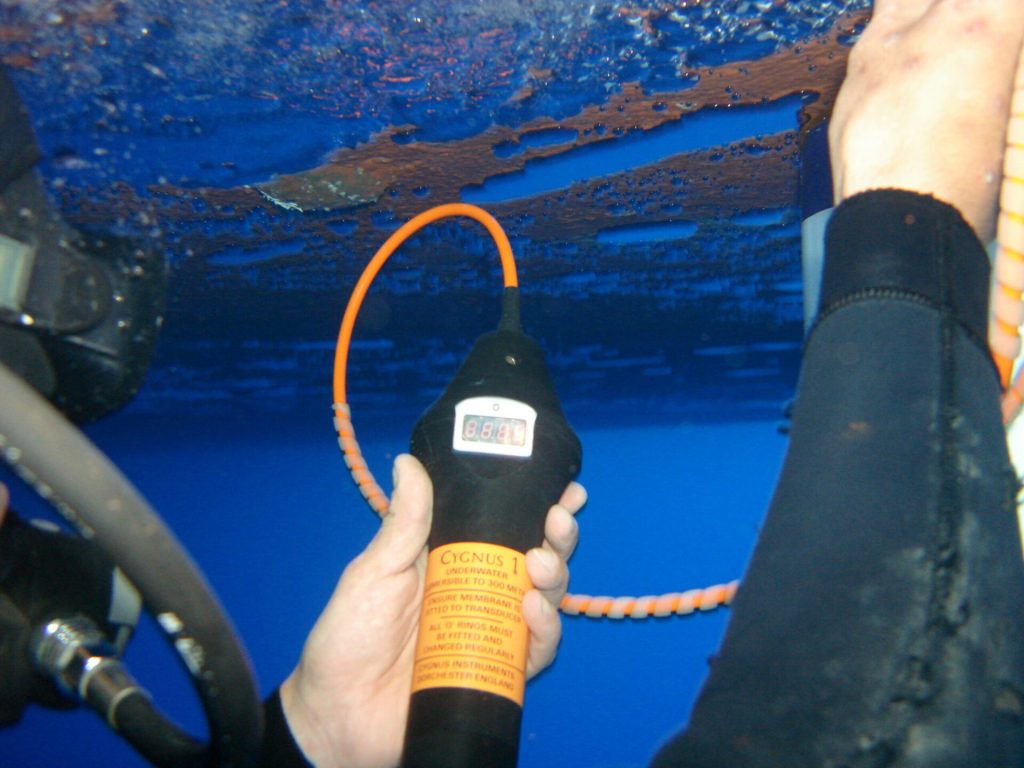
Traditional inspections rely heavily on visual examination and the subjective hammer test, which only detects damage after it becomes visible or audible. By then, corrosion or cracking has often progressed significantly. NonDestructive Inspection and Testing | NDT acts like a medical scan for the vessel. Ultrasonic Testing (UT) uses sound waves to measure plate thickness with microscopic accuracy, identifying internal corrosion before it breaches the surface. Magnetic Particle Inspection (MPI) reveals microscopic fatigue cracks in welds and high-stress areas invisible to the human eye. Meanwhile, Eddy Current Testing (ECT) excels at detecting surface and near-surface flaws in non-ferromagnetic materials, such as specialized coatings, piping, and heat exchanger tubing—areas where traditional methods fail to provide reliable data. This allows engineers to catch degradation at its inception, enabling predictive rather than reactive maintenance.
Maximizing Uptime and Safety with NonDestructive Inspection and Testing
Time is the most expensive commodity in ship repair. Traditional methods often require extensive preparation: chipping paint, cleaning to bare metal, and erecting scaffolding. Modern NonDestructive Inspection and Testing techniques, such as Phased Array Ultrasonic Testing (PAUT) , can be performed through coatings with minimal surface preparation, drastically reducing downtime.
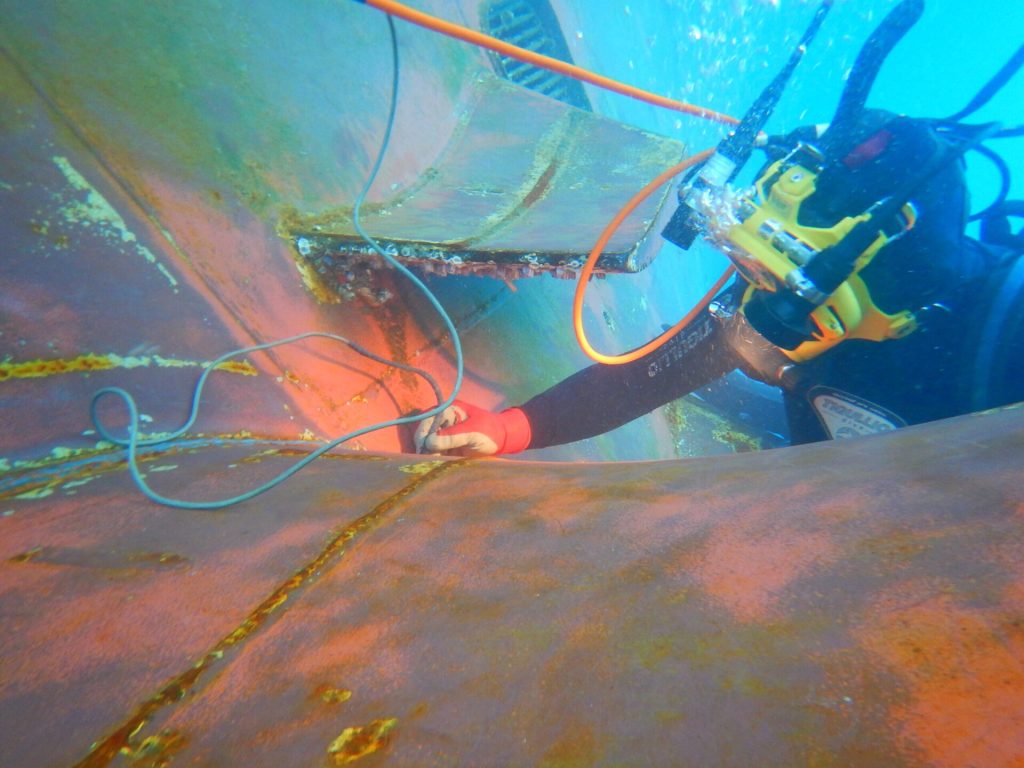
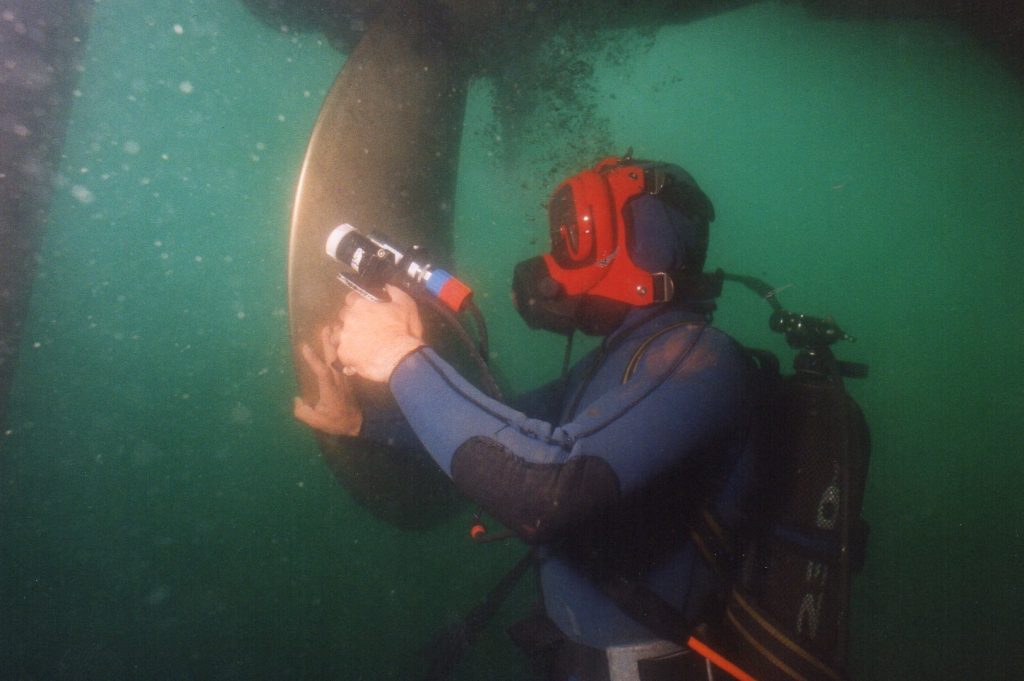
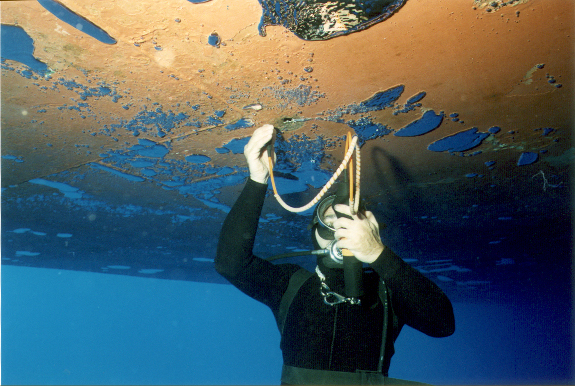
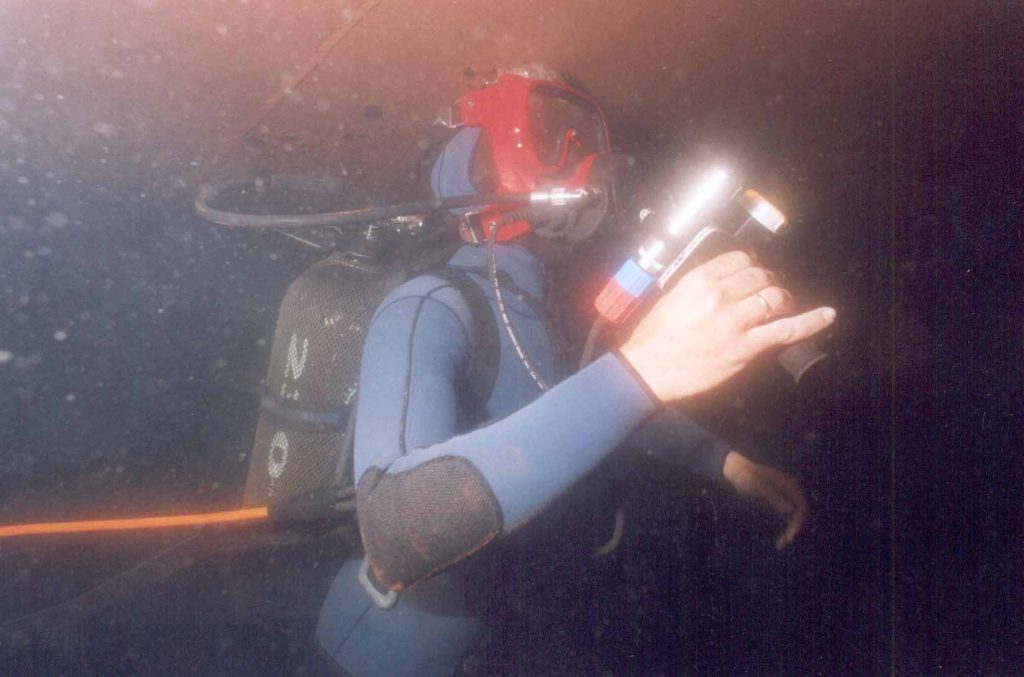
Furthermore, NonDestructive Inspection and Testing | NDT is the backbone of In-Water Surveys (IWS) . Instead of taking a vessel out of service for dry docking, remotely operated vehicles (ROVs) equipped with ultrasonic and eddy current sensors can survey the hull while the ship is still loading cargo. This reduces off-hire time from days to hours. Critically, NDT also enhances safety by minimizing the need for inspectors to enter hazardous confined spaces or work from bosun’s chairs, reducing the risk of falls, toxic exposure, and atmospheric hazards.
Data-Driven Decision Making
Perhaps the most profound advantage of NonDestructive Inspection and Testing | NDT is the shift from subjective opinions to verifiable data. A traditional report stating “heavy pitting found” is open to interpretation. NDT provides quantifiable metrics: precise thickness readings, corrosion rates, and permanent digital images of weld integrity.
This data allows owners to track degradation over time, predict maintenance needs with precision, and provide irrefutable proof of condition to Classification Societies.
How can NSD | Nick Segredakis Diving ltd Help
At NSD | Nick Segredakis Diving ltd, we deliver these advanced inspection solutions. Our expertise in UT, MPI, Eddy Current, and PAUT ensures that vessel operators receive not just a pass-or-fail verdict, but a comprehensive digital record that supports life extension, regulatory compliance, and smarter asset management.
In an era where a single hull failure can lead to environmental disaster and financial ruin, relying on traditional methods is a gamble. Non-Destructive Testing provides the accuracy, safety, and actionable intelligence that modern ship operations demand.
With UnderWater Services proffesionals at NSD | Nick Segredakis Diving ltd as your partner, you gain the clarity needed to ensure your fleet sails safely, efficiently, and profitably into the future.